
2026 Is the Trades' Biggest AI Adoption Year Yet. Here's What's Actually Working
Every corner of the field-service stack now has an AI pitch attached to it. Some of it is earning its keep. A lot of it is still catching up to the marketing.
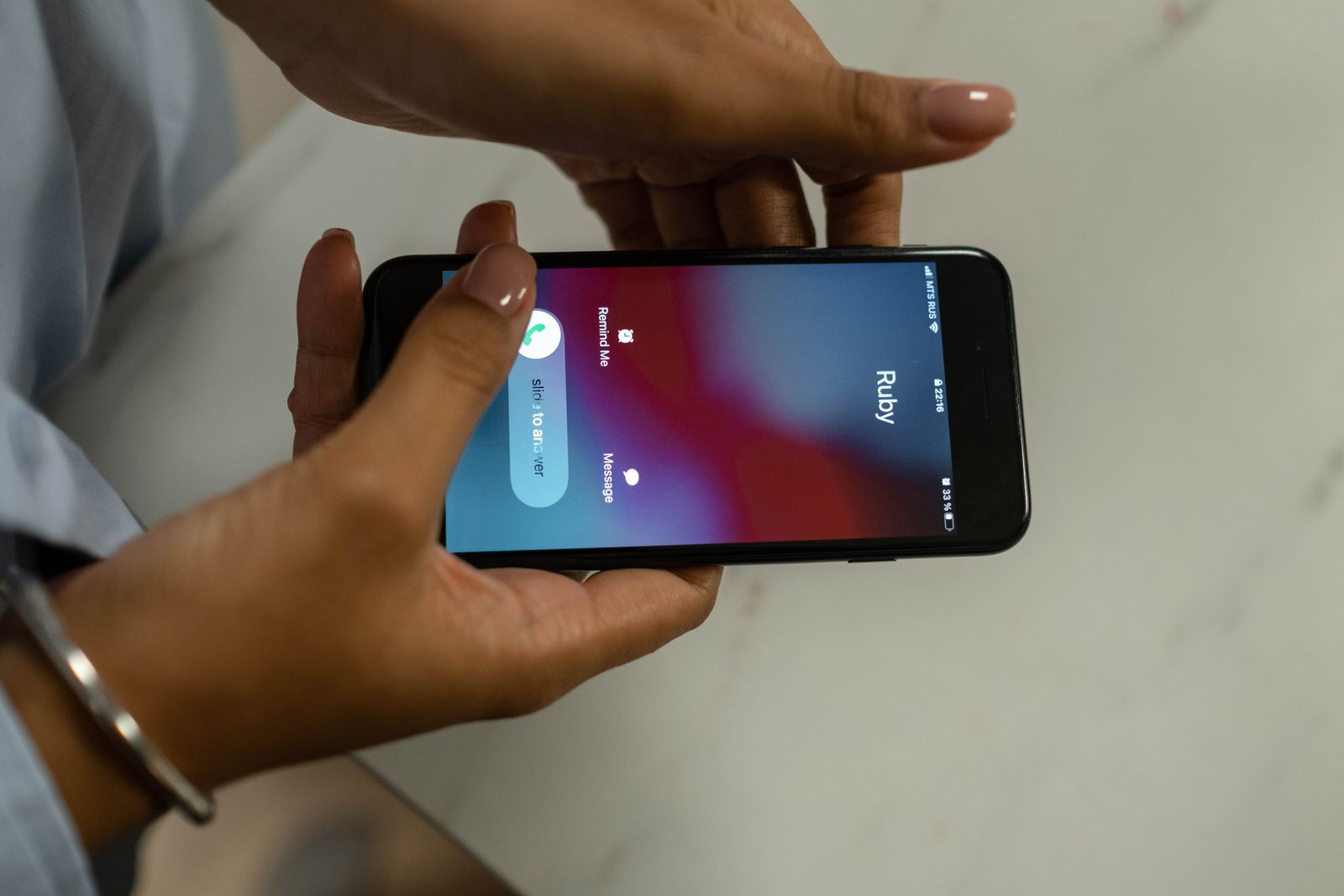
Every field-service conference for the last two years has had some version of an AI keynote, and by most operator accounts, 2026 is the year the pitch decks started turning into actual line items on the software bill. What's harder to find is a clear-eyed account of which of those tools are genuinely changing how a shop runs, and which are early, promising, and not quite there yet. Both categories exist in the same market right now, often sold with the same confidence.
AI receptionists: the clearest early win, with real caveats
The most mature category is voice AI answering calls a shop would otherwise miss. Industry research has long put missed-call rates for home-service businesses around a quarter of all inbound calls, and the after-hours and overflow gap tends to be where that number is worst, since almost nobody staffs the phone once the office closes. Operators who've adopted these systems describe the after-hours use case as the strongest fit: a call that previously went to voicemail now gets answered and, often, booked.
Roughly how many inbound calls do you take in a week?
Tap to start. 5 quick questions, then see your monthly number.
The honest caveat operators raise is consistency once a conversation goes off-script. A caller with a straightforward request, what's broken, what's the address, is this urgent, tends to have a smooth experience. A caller with a complicated or emotionally charged situation is where quality varies the most between vendors, and it's the area operators say separates the systems that are ready for full-time use from the ones still earning trust on overflow duty only.
The AI tools earning trust in 2026 aren't the ones that sound the most impressive in a demo. They're the ones that quietly do the boring, high-volume task correctly every single time.
Estimate builders: faster, not yet fully autonomous
A second fast-growing category turns a job-site description, a photo, or a voice note into a priced estimate in minutes rather than the hours or days a manual build can take. Operators report that the speed gain is real and meaningful, especially for straightforward jobs with well-understood pricing. Where operators are more cautious is on complex or unusual scopes, where an AI-generated estimate still tends to need a human pass before it goes to a customer, both for pricing judgment and for the kind of scope nuance a seasoned estimator catches instinctively.
Dispatch copilots: quietly useful, rarely glamorous
The dispatch layer has gotten a less flashy but arguably more consequential upgrade. Route and schedule optimization tools that factor in technician skill match, historical job duration, and real traffic conditions, rather than a dispatcher's mental map, are showing up across several major field-service management platforms, including the ecosystems built around ServiceTitan, Housecall Pro, and Jobber. None of these vendors are selling it as "AI" in the flashy sense, it's positioned as smarter scheduling, but the underlying mechanism is the same pattern-matching and prediction work driving the more visibly branded AI tools elsewhere in the category.
Review and follow-up automation: mature, and easy to underrate
Automated review requests and follow-up texting are probably the least discussed and most reliably useful AI-adjacent tools in the category right now, largely because they're simple by comparison. A system that reliably asks every customer for a review immediately after job completion, and follows up on cold estimates with a scheduled cadence, doesn't require much sophistication to be a real improvement over "the office manager remembers to do it when things are slow."
Where AI still genuinely falls short
The honest state of the category has real edges. Voice AI struggles with the same edge cases it struggled with a year ago, just somewhat less often. Estimate builders still lean on human review for complex scopes. Dispatch optimization can't fully account for a technician's personal read on a difficult customer or a job that's likely to run long for reasons a calendar can't see. And across every category, operators report that implementation and configuration quality varies as much between two shops using the identical software as it does between two different vendors, meaning a lot of the "AI didn't work for us" feedback traces back to setup, not the underlying model.
What the adoption curve looks like from here
Operators who describe themselves as satisfied with their AI tools tend to share a pattern: they started with a narrow, well-defined use case, after-hours call coverage, or review requests, rather than trying to automate the entire front office at once, and expanded scope only after the narrow version proved itself. The shops that report frustration more often tried to do everything at once, or expected a tool built for straightforward, high-volume tasks to handle every edge case a human would.
2026 being the trades' biggest AI adoption year isn't really a claim about any single breakthrough. It's a claim about maturity, that enough of these tools have now run long enough in real shops, on real calls and real estimates, that operators have a genuine track record to evaluate instead of a sales pitch. Some of that track record is very good. Some of it is still a work in progress, and the operators getting the most value are the ones being honest with themselves about which category a given tool falls into before they bet a season on it.
Most shops lose more booked work at the phone than they realize. See your monthly number.
See my number →