
AI Receptionists Are Answering the Calls Techs Miss
A growing category of voice-AI tools is picking up field-service calls nobody was around to answer, and operators who've tried them are split on whether the trade-off is worth it.
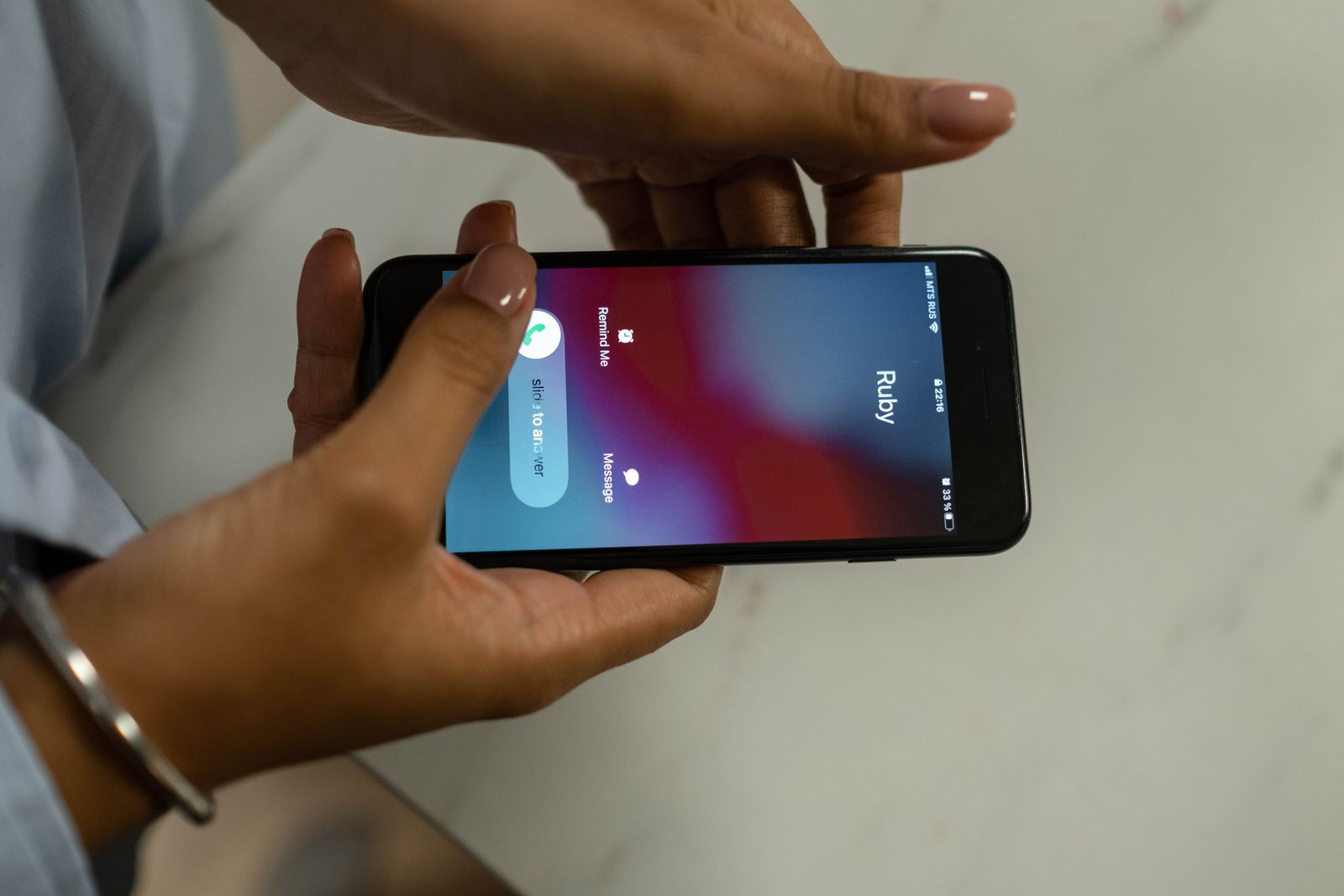
A homeowner calling a service business at 9pm on a Sunday used to have two likely outcomes: voicemail, or nothing at all. Industry research has long put missed-call rates for home-service businesses around a quarter of all inbound calls, and the after-hours gap is where that number tends to be worst, because nobody's staffing the phone once the office closes. A newer category of software is aimed squarely at that gap: AI systems that answer the call in a synthesized voice, ask qualifying questions, and either book the job or capture the details for a human to follow up.
What these systems actually do
Strip away the marketing language and the mechanism is fairly consistent across vendors. The system answers a call using a voice generated by AI, follows a script built around how that business wants calls handled, asks the caller basic qualifying questions (what's the issue, what's the address, is it urgent), and either books an appointment directly against the business's calendar or hands off a structured summary to a human. Some platforms extend the same approach to text messages, responding to a missed call or a web lead within seconds rather than making a customer wait for someone to become available.
Roughly how many inbound calls do you take in a week?
Tap to start. 5 quick questions, then see your monthly number.
The pitch is straightforward: a call that would have gone to voicemail at 9pm gets answered and, ideally, booked, without requiring a human to be on call around the clock. For a category of business where a competitor is one search result away, catching that call in real time carries real weight, not because voicemail is impolite, but because a customer with an urgent problem often books with whoever answers first.
The best case for these systems isn't that they replace a good CSR. It's that they replace the alternative, which for a lot of shops after hours is nothing at all.
Where it's genuinely working
Operators who've adopted AI receptionists tend to describe the after-hours and overflow use case as the clearest win. A call that comes in while every line is busy, or after the office has closed for the night, is a call that previously had no chance of being answered live. Even a well-configured system that only books simple, well-defined jobs and routes anything complicated to a human the next morning is, by definition, doing more than voicemail was doing.
The category includes a range of players building toward this, from broader voice-AI platforms adapting to the trades, to a handful of vendors built specifically for field service, among them AutoRev, which focuses on tying the answered call directly into the business's existing scheduling and CRM system rather than treating the call as a standalone transcript someone has to act on manually. As with any young category, capability varies significantly between vendors, and operators evaluating this space report that the gap between "answers competently" and "books correctly into a live calendar without creating a scheduling conflict" is where a lot of the real differentiation sits.
Where the skepticism is earned
Not every operator is sold, and the skepticism tends to cluster around specific, credible concerns rather than blanket distrust of the technology.
"My customers can usually tell within the first ten seconds," one composite of a common operator complaint runs, describing a two-truck HVAC shop that tried an AI answering system and pulled it after a few weeks. "For a simple call, fine. But the second somebody has a weird question, an old system, something that doesn't fit the script, it falls apart and the customer just hangs up frustrated instead of getting transferred to voicemail like before."
That's a real limitation, not a fringe complaint. AI systems built around scripted qualifying questions handle predictable requests well and handle edge cases inconsistently, the same way any rules-based system does when a conversation strays outside what it was built to expect. A caller with a genuinely complex or emotionally charged situation, a flooding basement, a no-heat call in freezing weather with an elderly resident in the house, is exactly the kind of call where operators are most cautious about handing the interaction to a machine, even one that performs well on routine bookings.
There's also a trust dimension that's slower to shift than the technology itself. Some customers actively dislike realizing they're talking to an AI, regardless of how well it performs, and operators report that disclosure practices vary across vendors in ways that matter to how the interaction is received.
The honest state of the category
AI receptionists for field service are not a finished product solving a finished problem. They're a real, improving answer to a specific and expensive gap, the after-hours and overflow call that would otherwise go unanswered, with meaningfully more variance in quality between vendors than the category's marketing tends to admit. Operators weighing whether to adopt one are better served asking what happens when the call goes off-script, how disclosure is handled, and whether the booking actually lands correctly in their existing calendar, than asking whether the voice sounds convincingly human. For a category built on picking up calls nobody else is answering, the second question matters more than the first.
*Field Service Daily and AutoRev AI have common ownership. Operators quoted in this piece were composited from patterns reported across multiple conversations and were not required to use or endorse any product mentioned.*
Most shops lose more booked work at the phone than they realize. See your monthly number.
See my number →